

Christopher Damman, Associate Professor of Gastroenterology, School of Medicine, University of Washington. Editor-in-Chief of Gut Bites MD.
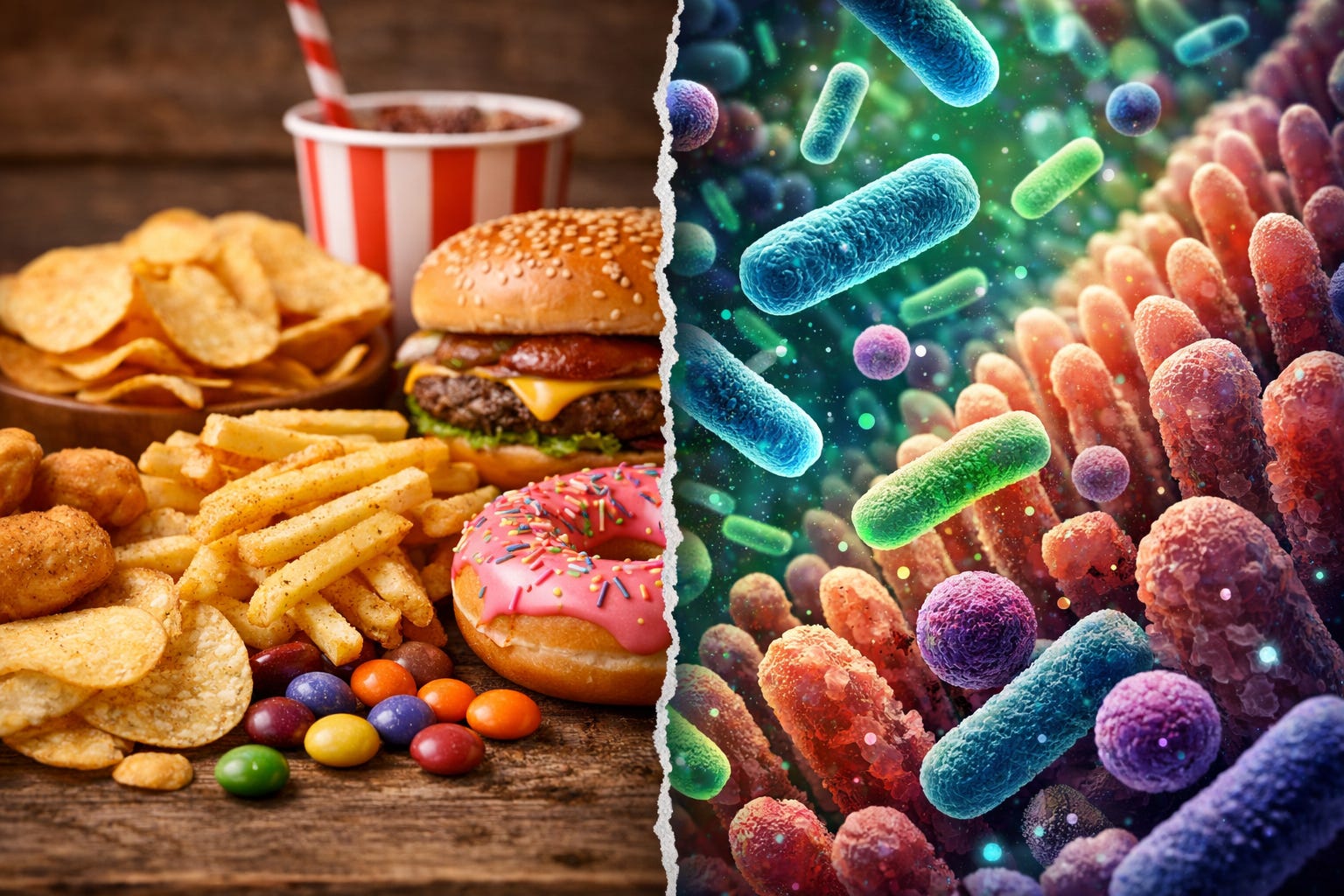
Food additives are suddenly back in the headlines. Regulators are phasing out artificial dyes, companies are reformulating ingredients, and consumers are paying closer attention to long ingredient lists. Much of the conversation assumes a simple story: additives are harmful, so removing them should solve the problem.
The science suggests something more nuanced. Some additives may indeed have effects that were not detected in traditional safety testing, in part because most evaluations historically focused on direct toxicity, while giving less attention to whether these compounds might alter the gut microbiome that helps regulate metabolism, immunity, and inflammation.
But the microbiome perspective also reveals a deeper issue. Ultra-processed foods influence the gut ecosystem in more than one way. They introduce compounds the microbiome did not evolve to encounter in these combinations while also removing many of the plant fibers and phytochemicals that normally nourish it.
The result is a one-two punch. If the gut microbiome is an ecosystem, ultra-processed foods can act like both pollution and deforestation at the same time.
Not all additives are created equal
Food additives include emulsifiers, sweeteners, preservatives, colors, stabilizers, and thickeners. Many likely have little impact on the gut microbiome at typical exposures, while others raise more credible concerns. Viewed through a microbiome lens, current evidence points most strongly toward certain emulsifiers and sweeteners.
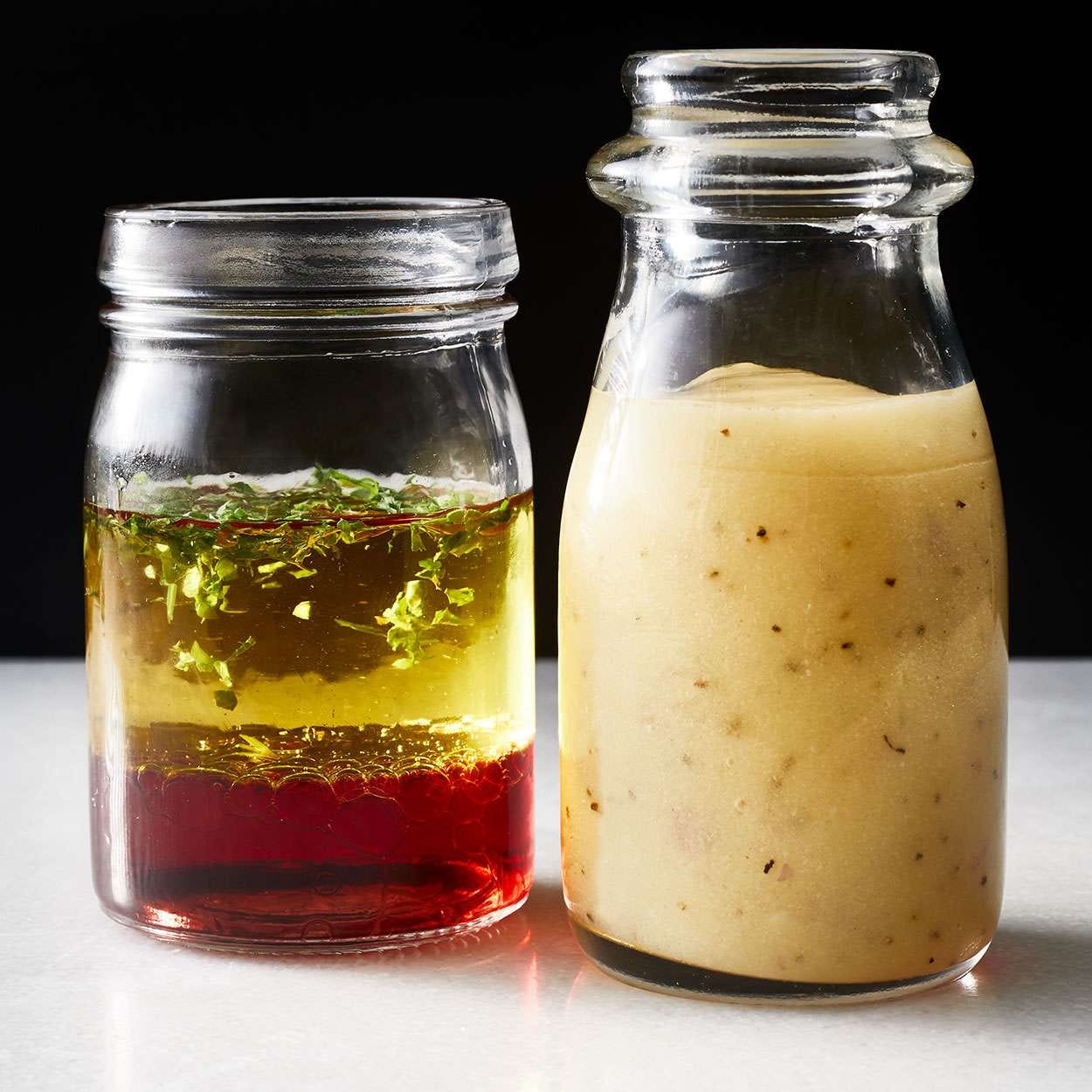
Emulsifiers stabilize fat-water mixtures and create the smooth textures expected in foods such as salad dressings, sauces, ice cream, and packaged baked goods. Experimental studies show that some emulsifiers can alter microbial communities, thin the intestinal mucus barrier, and promote low-grade inflammation. Human evidence now supports some of these concerns. In a controlled feeding study, the emulsifier carboxymethylcellulose altered the gut microbiome and metabolome and, in some individuals, allowed bacteria to encroach into the mucus layer.
Evidence for non-nutritive sweeteners also depends on the specific molecule. Some artificial sweeteners such as saccharin and sucralose have been shown in several studies to alter the gut microbiome and influence glucose metabolism. Human trials indicate that these responses vary between individuals and may depend on the composition of the existing microbiome. In contrast, many naturally derived compounds such as monk fruit, stevia, and allulose, appear to have less adverse impact on the gut microbiome at typical intake levels, although evidence remains limited.
Other additives such as carrageenan, titanium dioxide, and some synthetic dyes show signals in experimental models but limited human evidence. Additives therefore remain an important area of study. But focusing only on what gets added to food misses an equally important part of the story.
The story’s missing half
Ultra-processed diets likely affect the microbiome through both added compounds and missing food components. Some additives may directly stress the gut ecosystem. But industrial processing also removes many of the features of foods that normally support microbial communities.
Whole plant foods contain complex fibers, intact cellular structures, and diverse phytochemicals that shape microbial ecology. Polyphenols are especially important. These compounds, abundant in berries, tea, cocoa, coffee, herbs, spices, and colorful vegetables, often reach the colon where microbes transform them into smaller metabolites that influence inflammation, metabolism, and gut barrier function.
When processing strips away these compounds, the microbiome loses an important source of ecological support. Diets dominated by ultra-processed foods therefore deliver a double effect: they introduce novel compounds while simultaneously removing many of the nutrients and structures that normally sustain microbial diversity and resilience.
Reducing problematic additives addresses part of the issue, but restoring whole plant foods helps rebuild the habitat the microbiome depends on.
Nature’s built-in additives
An ironic twist is that many additives exist because manufacturers must recreate properties that whole foods naturally provide but that are removed by industrial processing.
Plants contain pigments such as anthocyanins and carotenoids that produce vibrant colors. Polyphenols contribute flavor complexity and antioxidant stability. Herbs and spices contain antimicrobial phytochemicals that help slow spoilage.
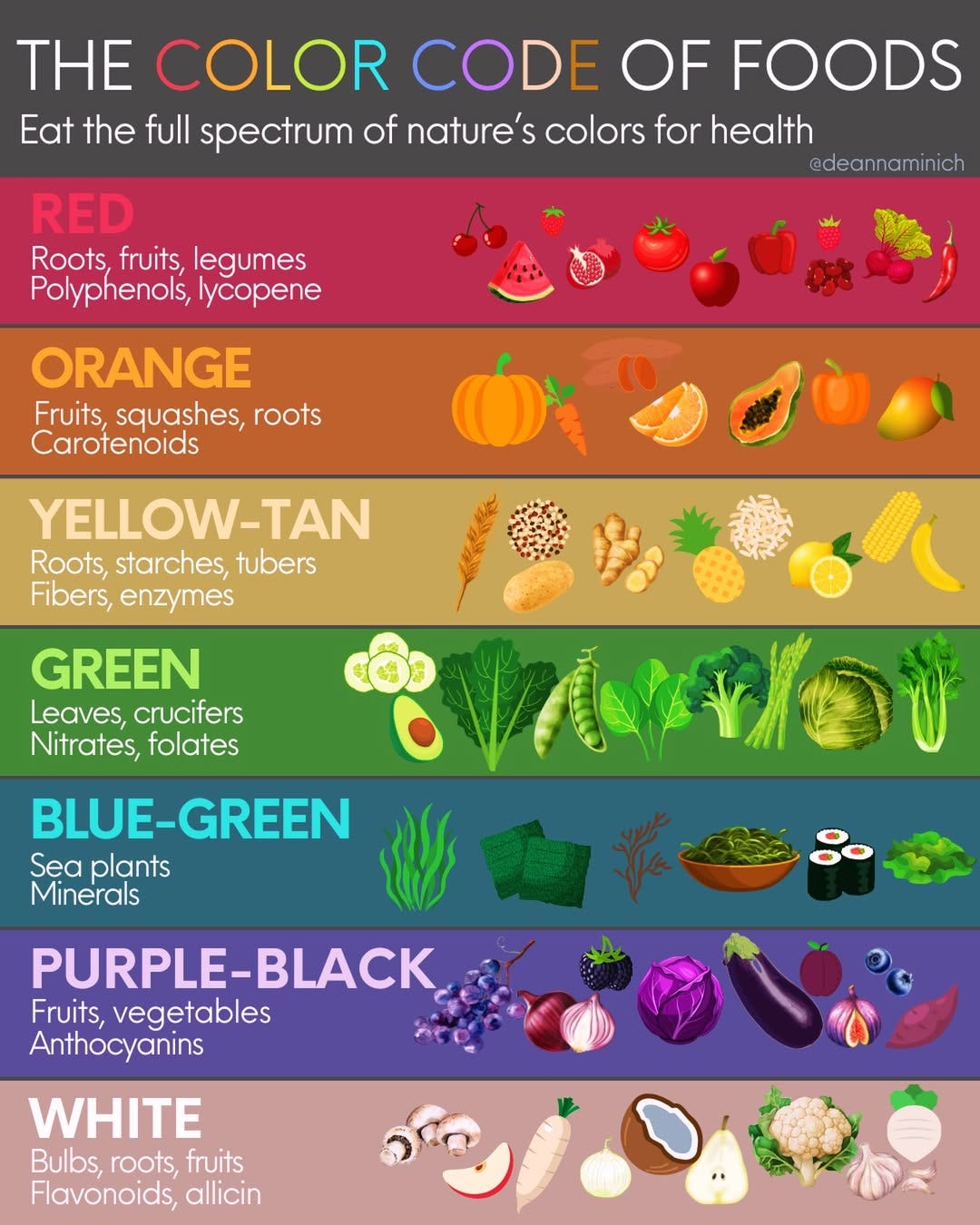
Whole foods also contain natural thickeners and stabilizers. Plant fibers, pectins, and starches influence texture and water retention, helping foods maintain structure without the need for synthetic stabilizers.
Traditional cuisines relied on these naturally occurring compounds to shape flavor, appearance, and shelf life. Industrial processing often removes many of these natural compounds and structures, then reintroduces additives designed to recreate their functions.
Processing by fermentation
Processing itself is not inherently harmful. Fermentation is also a form of processing, long used for preservation, flavor enhancement, and nutrient enhancement, but it works very differently from industrial processing.
Fermentation uses microbes to transform foods. Their metabolism generates organic acids that preserve, aromatic molecules that build flavor, and molecules such as glutamate that deepen savory taste. These microbiomes can also synthesize certain vitamins, including B vitamins and vitamin K, and make minerals like iron more available, increasing the nutritional value of some foods.
Traditional food systems relied heavily on fermentation. Fermented vegetables like cabbage were preserved as kimchi or sauerkraut through fermentation-driven acidity. Cocoa fermentation created the characteristic flavor of chocolate. Cheeses, yogurts, and breads similarly depend on microbial activity.
Rather than simplifying food, fermentation increases biological complexity by generating new metabolites and microbial signals that stabilize the gut ecosystem and metabolic processes in the body.
Industrial processing frequently moves in the opposite direction. Natural food structures are broken down and many biological signals are removed, while flavor, color, and texture are rebuilt using refined ingredients and additives.
Putting perspective into practice
In summary, the microbiome perspective suggests that additives, particularly some emulsifiers and non-nutritive sweeteners, warrant closer scrutiny, while evidence for others remains mixed. But additives alone do not explain the effects of ultra-processed foods. What processing removes matters just as much. Fibers, polyphenols, plant structures, and fermentation-derived compounds help shape the gut ecosystem and total health.
In practice, this means:
Build meals around intact plant foods such as vegetables, legumes, whole grains, nuts, and seeds that deliver fermentable fiber and plant structures.
Include polyphenol-rich foods regularly such as berries, herbs, spices, tea, coffee, and colorful fruits and vegetables.
Add fermented foods when possible including yogurt, kefir, kimchi, sauerkraut, or other traditionally fermented foods.
Be mindful of long ingredient lists, which often signal highly formulated foods with multiple additives and fewer intact plant structures.
Consider a food quality scoring tool to quickly assess foods and compare options, especially when navigating packaged products.
The goal is not simply to remove additives from food. It is to rebuild diets that restore the biological signals the gut microbiome evolved to recognize.
Christopher Damman, Associate Professor of Gastroenterology, School of Medicine, University of Washington. Editor-in-Chief of Gut Bites MD.