

Christopher Damman, Associate Professor of Gastroenterology, School of Medicine, University of Washington. Editor-in-Chief of Gut Bites MD.
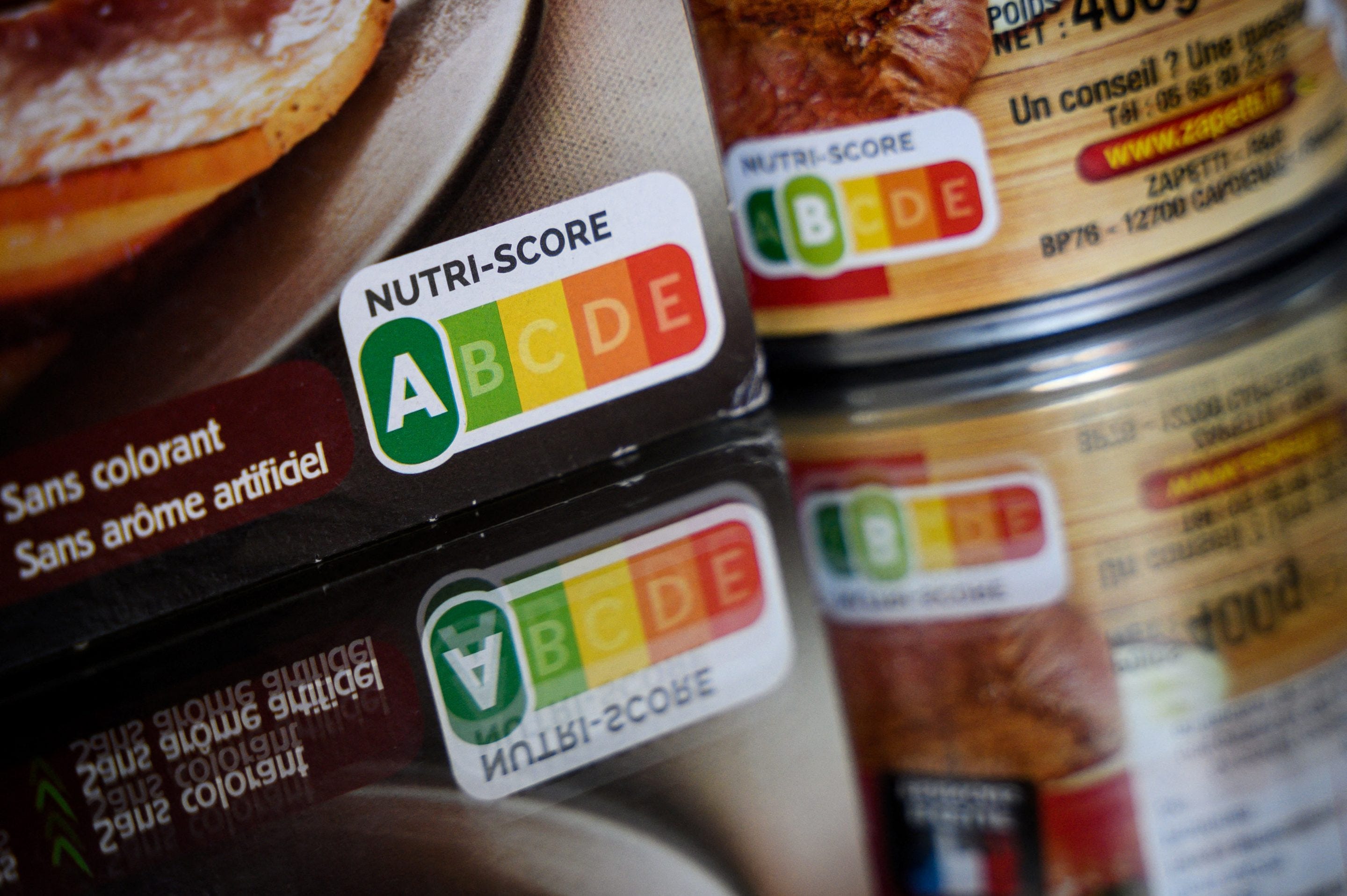
Front-of-package nutrition labels are having a moment. The FDA is proposing to require front of package nutrition labeling and a recent report in the Journal of the American College of Cardiology calls for clearer, more effective labeling to improve cardiovascular health. The premise is straightforward: make it easier for people to identify healthier options at a glance and guide better decisions at scale.
It is a meaningful step forward. But it also highlights a deeper limitation in how we think about food and health, one that becomes clear when we look beyond individual nutrients and consider how we actually eat.
What Are We Measuring?
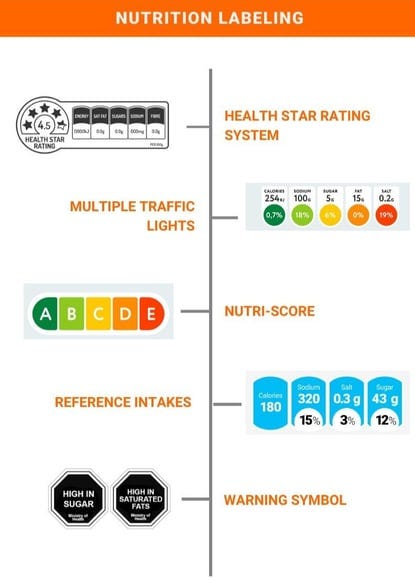
Most labeling systems evaluate foods one at a time. They focus on components like sugar, fat, sodium, and calories, then translate those into a simplified score or symbol. This reduction makes complex information easier to interpret, particularly in fast-paced environments like grocery stores.
But this approach assumes that foods are consumed in isolation. In reality, they are almost always part of meals, recipes, and broader dietary patterns. Butter, oil, bread, rice, and even a cookie are rarely eaten alone. Each may appear unbalanced when viewed on its own. Oils are energy-dense and refined, carbohydrate-rich foods may lack fiber, and processed foods may concentrate salt or sugar, but these snapshots miss the context in which they are actually consumed.
Approaches that evaluate nutrients and foods in context, rather than in isolation, can help bridge this gap and better reflect how people actually eat.
Foods & Nutrients Don’t Act Alone
Health is not determined by individual nutrients or foods, but by how they are combined. Nutrition, at its core, is a problem of balance, how nutrients relate to one another within a meal and across the diet as a whole. Looking at nutrients in isolation captures only part of the picture.
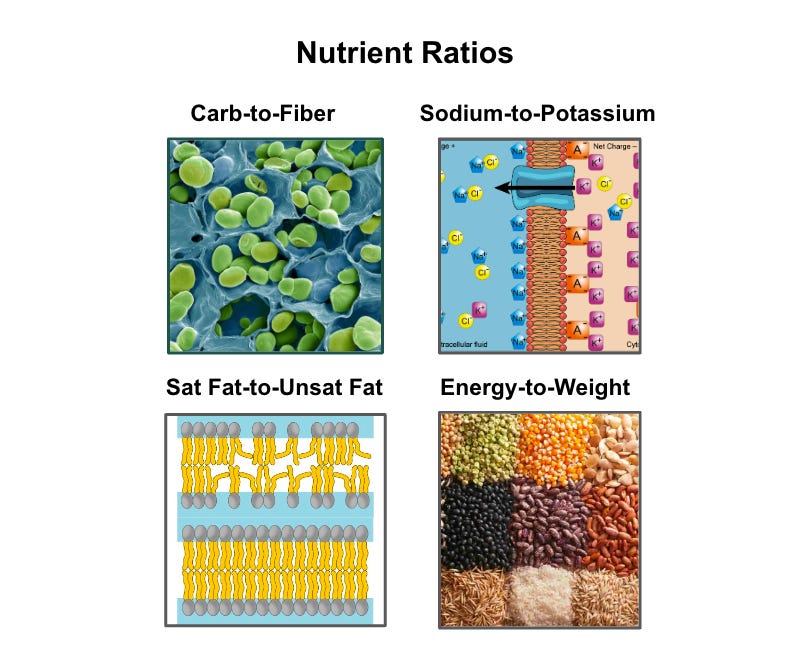
Ratios such as carbohydrate to fiber, saturated to unsaturated fat, and sodium to potassium, and energy to weight begin to reflect this deeper structure. They capture quality within categories and balance across them. These relationships also align more closely with how the gut microbiome interprets diet, responding not to isolated nutrients but to the overall pattern of inputs that arrive together and shape its function.
What Traditional Diets Understood
Long before nutrition labels or nutrient databases, traditional cuisines arrived at balance through experience. Food combinations evolved over generations, shaped by how people felt, functioned, and maintained health over time.
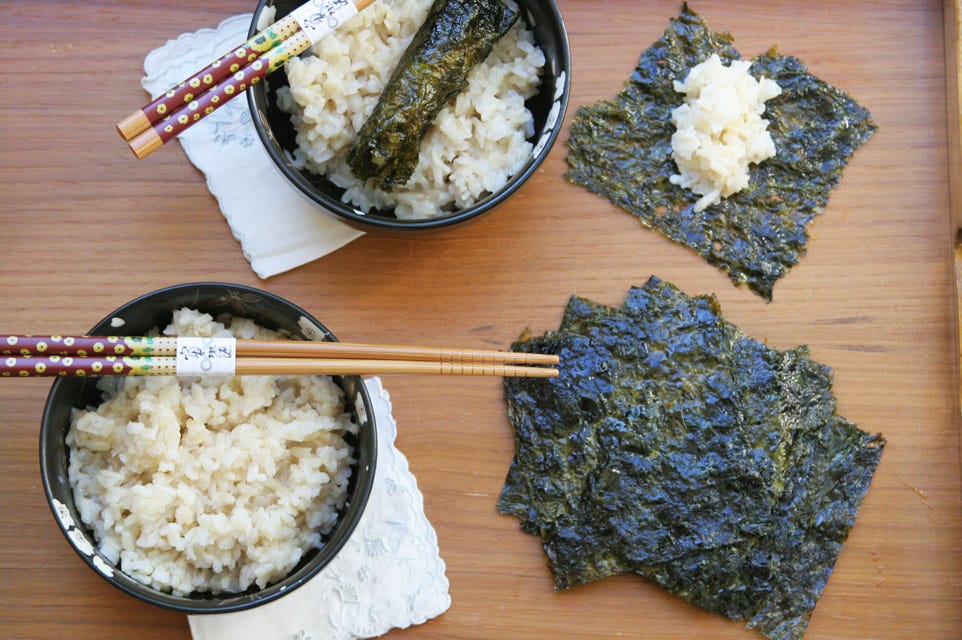
Meals like pasta with tomato sauce, rice with seaweed or legumes, and tortillas with beans or avocado reflect this accumulated knowledge. These pairings balance refined and intact components, energy and fiber, and sodium and potassium. Without formal scoring systems, they created dietary patterns that supported both human biology and the gut microbiome.
From Foods to Patterns
Modern labeling systems are designed to evaluate foods, but what we ultimately need is a way to evaluate diets. This requires shifting from a focus on individual components to the relationships that define overall balance.
The Nutrient Consume Score is one framework that assesses this gap. Instead of asking whether a single food is “good” or “bad,” it evaluates how foods and combinations of foods contribute to dietary balance. It measures key nutritional ratios, including the carbohydrate to fiber ratio, the saturated to unsaturated fat ratio, the protein to energy ratio, and the sodium to potassium ratio.
The ratios are evaluated individually, and these are then combined into an overall score, not by simple averaging, but by integrating how each dimension contributes to overall balance.
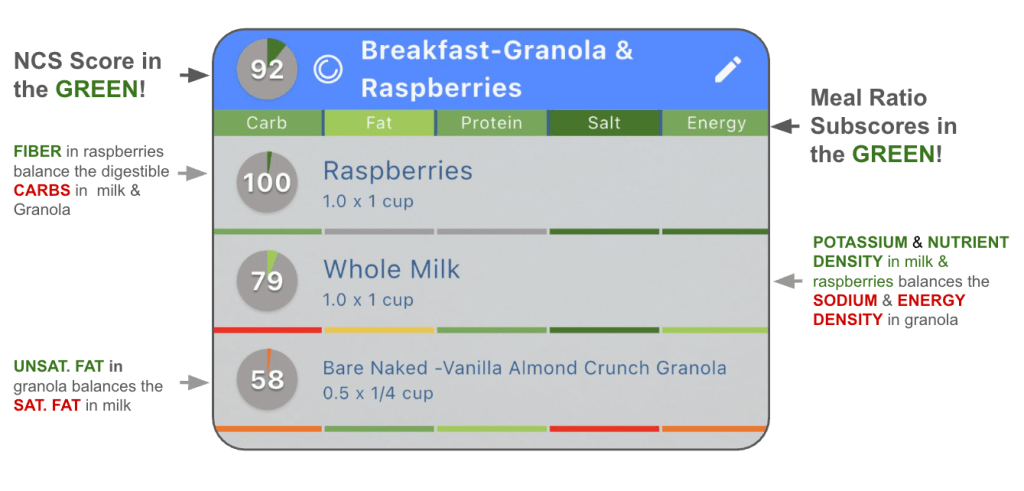
Because it focuses on nutrition ratios and relationships, it can be applied across levels, from individual foods to meals, recipes, and overall dietary patterns, better reflecting how people actually eat. It is available as a public-good mobile app that allows quick scanning of foods, meals, and recipes, providing overall scores and suggestions for improvement.
A Shift in Perspective
This perspective shifts how we think about food, from labeling nutrients as good or bad to focusing on context. Nutrition has long swung between extremes, vilifying fat, then carbohydrates, and now elevating protein, but these shifts reflect changing narratives more than biology. Carbohydrates, fats, and proteins are not opposing forces, but parts of a broader system that can be combined to support balance.
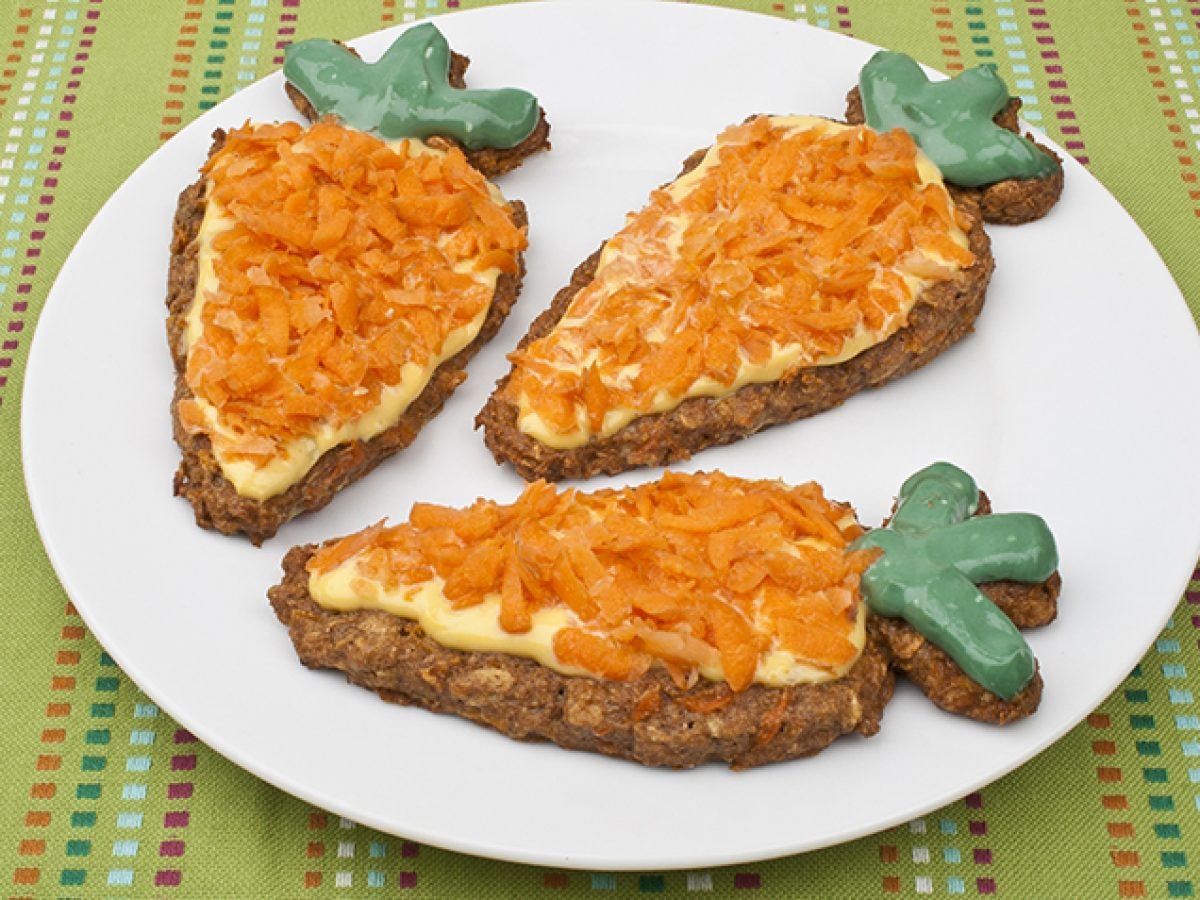
In this framework, a single food does not define a diet. A traditional sugar cookie on its own may be unbalanced, but paired with a fiber-rich food like a carrot, the overall pattern improves. The focus shifts from elimination to composition, from avoiding ingredients to building balanced snacks and meals that shape metabolism, satiety, and the microbiome.
The Bigger Picture
Front-of-package labels remain a valuable tool. They simplify complex information and can help guide better decisions, particularly at the point of purchase. But they are only one piece of a larger puzzle.
If we want to meaningfully improve health, we need to move beyond evaluating foods in isolation and toward understanding diet as a system, one defined by balance, relationships, and context. Food quality is not just about what a food contains, but how foods fit together to shape biology, the microbiome, and long-term health.
Tools that evaluate how foods work together, not just on their own, can help translate this perspective into everyday choices when shopping, cooking, or building meals.
Christopher Damman, Associate Professor of Gastroenterology, School of Medicine, University of Washington. Editor-in-Chief of Gut Bites MD.