

Christopher Damman, Associate Professor of Gastroenterology, School of Medicine, University of Washington. Editor-in-Chief of Gut Bites MD.
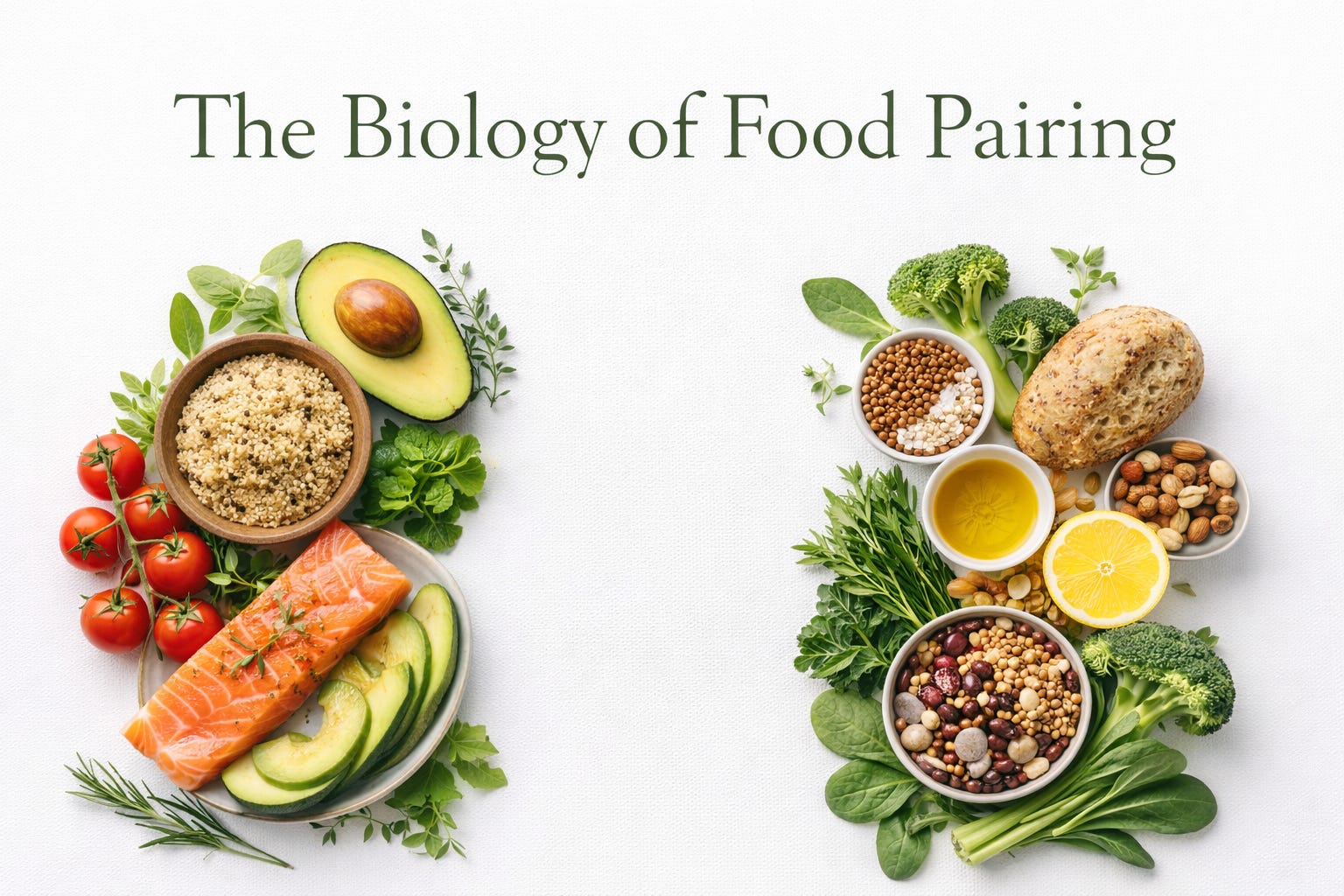
We’re used to thinking about food pairing in terms of just taste. Wine with cheese, peanut butter with chocolate, tomatoes with basil. But pairing matters for another reason that’s far more consequential: biology.
Foods are rarely eaten alone. They are combined into meals, layered into recipes, and repeated as patterns over time. When foods are combined, their effects on metabolism, the gut microbiome, and appetite are not simply additive. They synergize.
This means that the health impact of a food depends not just on what it is, but what it’s eaten with.
Foods Don’t Act Alone
Nutrition science has traditionally evaluated foods one at a time by measuring calories, sugar, fat, or protein, then assigning value accordingly. This approach is practical, especially for labeling. But it misses how people actually eat.
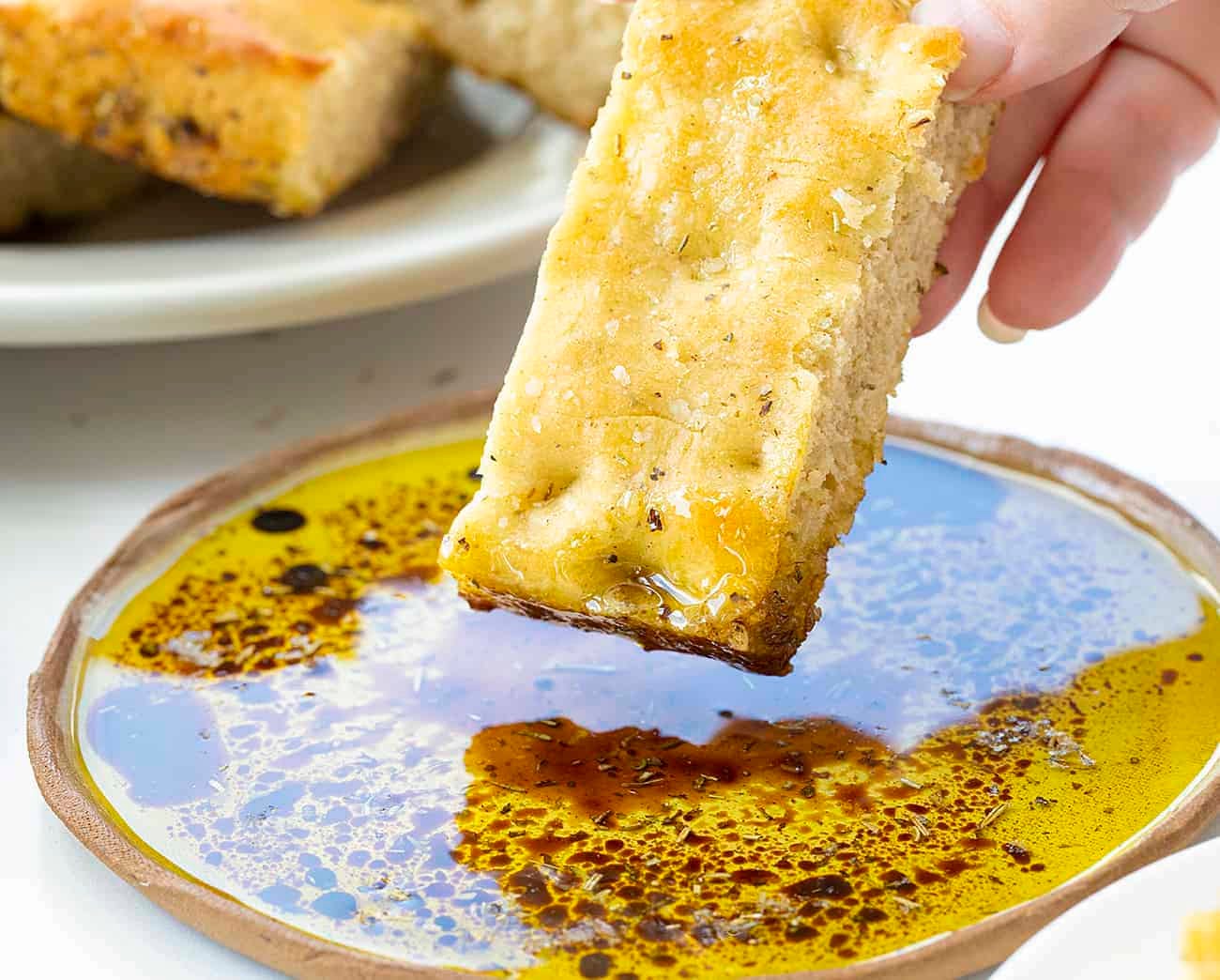
A slice of bread on its own affects the body differently than bread eaten with olive oil, vegetables, or protein. A cookie alone is one thing; a cookie eaten after a fiber-rich meal is another. These combinations shape how quickly nutrients are absorbed, how full we feel, and how our metabolism responds.
Some pairings improve balance. Others amplify imbalance.
Refined carbohydrates paired with fat, for example, can increase energy intake and reduce satiety signals, making it easier to overconsume. In contrast, pairing carbohydrates with fiber-rich foods slows absorption, moderates blood sugar, and supports microbial fermentation in the gut.
The difference is not just in the foods. It is in the relationship between them.
Biology Runs on Ratios
At a deeper level, this idea reflects a fundamental principle of biology: systems operate through balance and proportion.
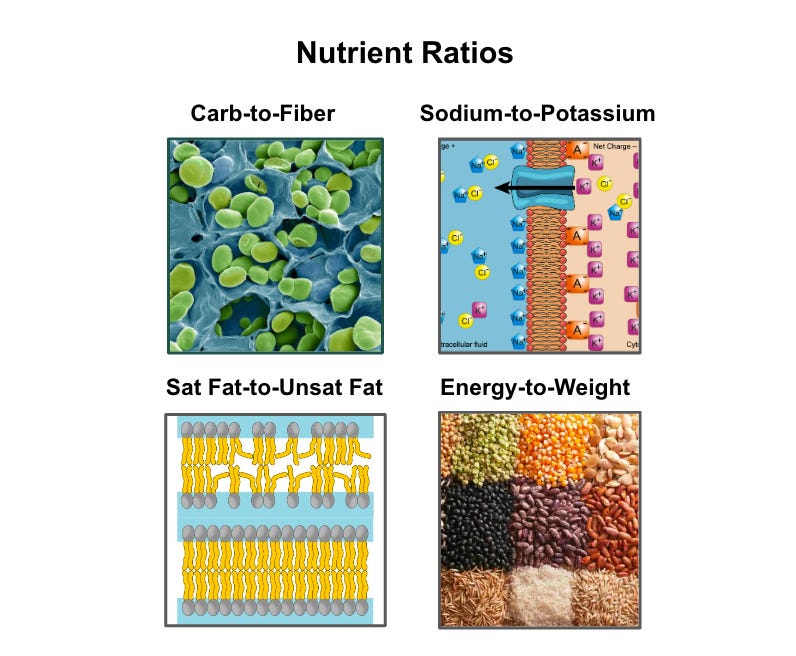
Cells maintain gradients of sodium and potassium across their membranes using the sodium–potassium pump. This process is essential for nerve signaling, muscle contraction, and cellular stability. It is not sodium or potassium alone that matters, but their ratio.
Cell membranes also depend on a balance of fats. Saturated fats provide structure, while unsaturated fats provide fluidity. Together, in the right proportions, they create membranes that are both stable and flexible and capable of adapting to changing conditions.
Plants follow similar principles. Fiber provides structure to plant cells, while starch serves as stored energy. When we eat whole plant foods, we consume both structure and fuel together, which slows carbohydrate absorption and shapes downstream metabolism. When foods are refined, these elements are often separated.
Nutrition works the same way. Ratios like carbohydrate to fiber, saturated to unsaturated fat, and sodium to potassium shape how foods function in the body. These relationships influence digestion, metabolism, and microbial activity in ways that single nutrients cannot.
Food as Signal, Not Just Fuel
Food does more than provide energy. It sends signals.
Fiber signals fullness and feeds gut microbes that produce short-chain fatty acids. Protein influences satiety hormones and muscle metabolism. Fats alter membrane composition and inflammatory signaling. Minerals like sodium and potassium regulate fluid balance and cellular communication.

When foods are combined, these signals interact.
A meal rich in refined starch and low in fiber sends a different signal than one where those same carbohydrates are embedded in a matrix of intact plant structure. Adding potassium-rich foods like vegetables or legumes can help offset the physiological effects of sodium. Including fats alongside carbohydrates can either stabilize or destabilize intake depending on the broader context.
In this sense, meals are not just collections of nutrients. They are coordinated signals to the body, patterns that can be reflected in a new approach to food quality scoring systems designed to evaluate how foods work together rather than in isolation.
Pairing for Better Balance
Understanding food pairing shifts the goal of nutrition. It moves us away from asking whether a single food is good or bad and toward asking how foods work together.
Some simple patterns emerge:
Pair carbohydrates with fiber-rich foods to support more stable metabolism
Balance fats toward unsaturated sources while maintaining structural diversity
Combine sodium-containing foods with potassium-rich plants
Build meals around intact foods that retain their natural structure
These are not rules of elimination, but principles of composition—patterns that can be measured and improved in real time when meals are viewed as integrated systems rather than individual parts.
From Foods to Patterns
This perspective helps explain why traditional dietary patterns such as Mediterranean, Japanese, or other plant-forward cuisines are associated with better health. They are not defined by single superfoods, but by combinations that create balance across meals.
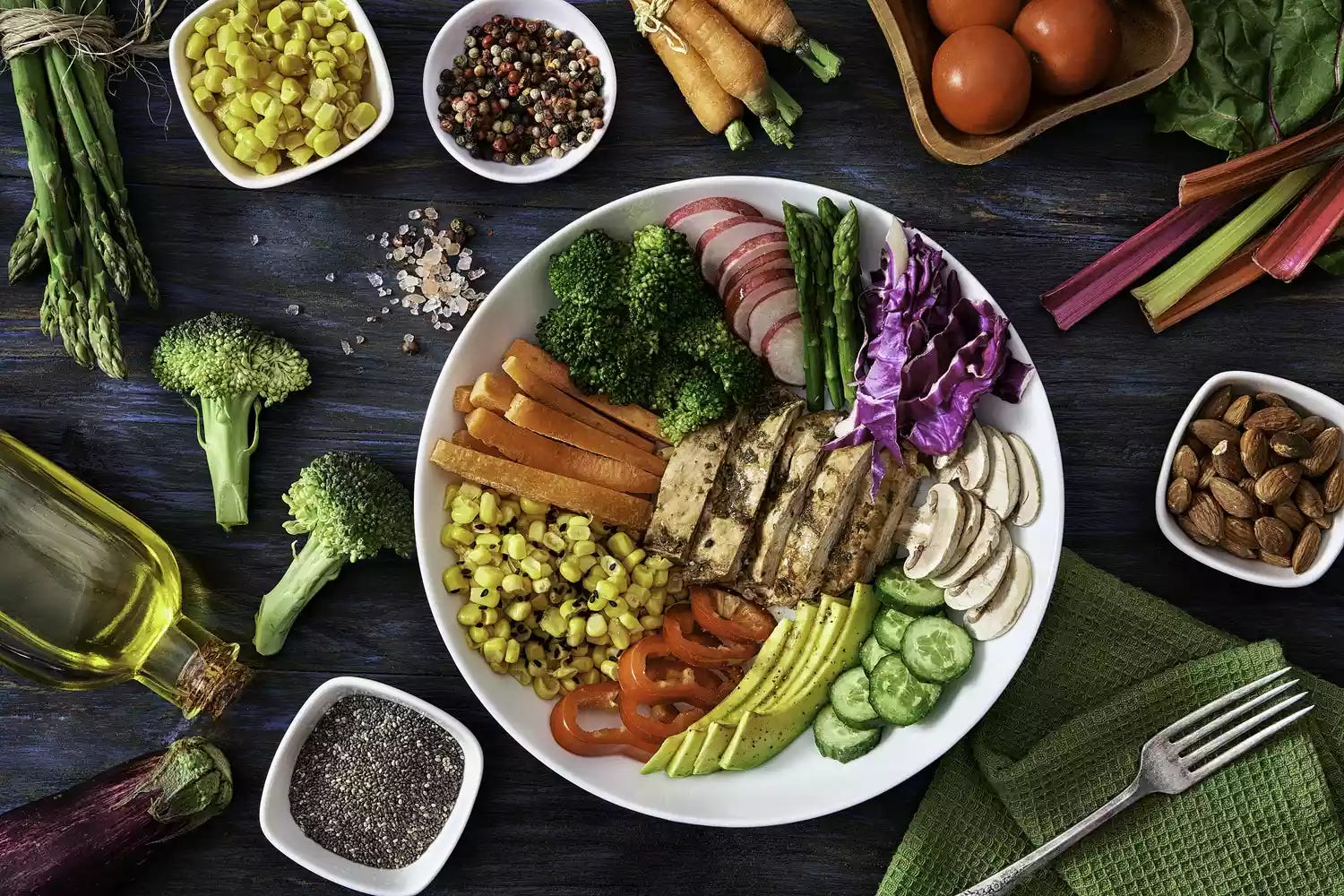
It also highlights a limitation of many modern food environments. Highly refined foods often separate components that were once naturally paired, removing fiber from carbohydrates, altering fat composition, and increasing sodium relative to potassium. The result is not just different foods, but different biological signals.
If we want to improve health, the focus should not only be on choosing better individual foods, but on building better combinations—something that can now be quantified, guided, and refined using new tools to better understand how these relationships shape metabolism and the microbiome.
Because in the end, nutrition is not just about what we eat. It is about how what we eat works together.
Christopher Damman, Associate Professor of Gastroenterology, School of Medicine, University of Washington. Editor-in-Chief of Gut Bites MD.
Ah, very interesting. I do wonder if many traditions arrive at similar truths through long periods of observation and trial and error, while science approaches the same questions through a more formal, empirical lens.
Interesting, Chris. Yoga, Ayurveda and TCM say similar things about food combining. Have you looked at more integrated approaches to the food combining topic? It's always made sense to me, from a personal experience perspective.