

If you’re coming over from Gut Bites, welcome. If you’re new, this is where I translate microbiome science into practical decisions about food and health.
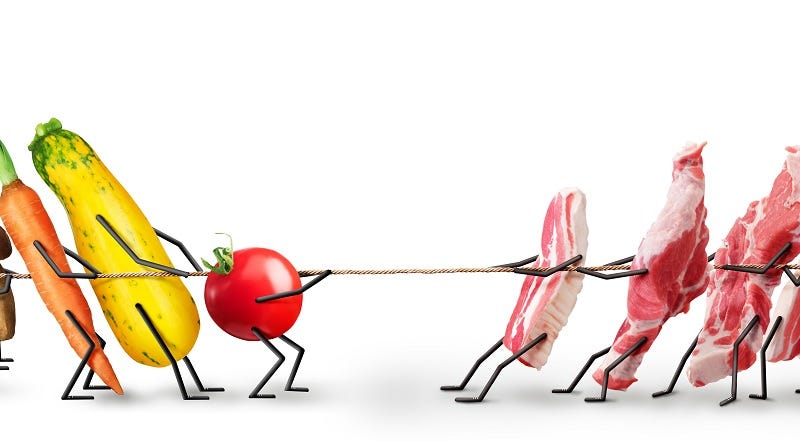
For decades, nutrition debates have played out like rival sports fandoms. Keto versus carbs. Vegan versus carnivore. Low-fat versus low-carb. Each camp comes armed with studies, success stories, and unwavering conviction.
And yet, a curious pattern keeps emerging: two people can follow the same diet, with the same discipline, and get completely different results. One feels energized and loses weight; the other feels bloated, fatigued, and frustrated. This isn’t failure or lack of willpower. It’s biology.
I’m a gastroenterologist and professor at the University of Washington, where I study how diet interacts with the gut microbiome, the trillions of microbes living in our digestive tract. Increasingly, research suggests that many diet debates aren’t about which diet is “right,” but about which diet is right for whom. And one of the biggest reasons may be the microbial ecosystem each of us carries.
The same food, different biology
Nutrition science historically treated the human body as if it responded predictably to nutrients: carbohydrates raise blood sugar, saturated fat affects cholesterol, protein supports muscle. That framework helped solve nutrient deficiencies and transform public health.
But it missed a critical layer. Food doesn’t just feed us. It feeds our microbiome. And that microbiome acts like a metabolic translator, transforming what we eat into bioactive compounds that influence inflammation, metabolism, appetite, and even mood. Diet is one of the most powerful forces shaping microbiome composition and function.
Because each person’s microbiome is different, the same diet can produce very different internal chemistry. This might help explain why diet “tribes” form in the first place. People aren’t imagining their success. They’re experiencing a real biological response, one that may not translate to someone else.
Where personalization is already happening
We’re not starting from scratch, several areas of nutrition already show how differences in the microbiome shape how people respond to food.
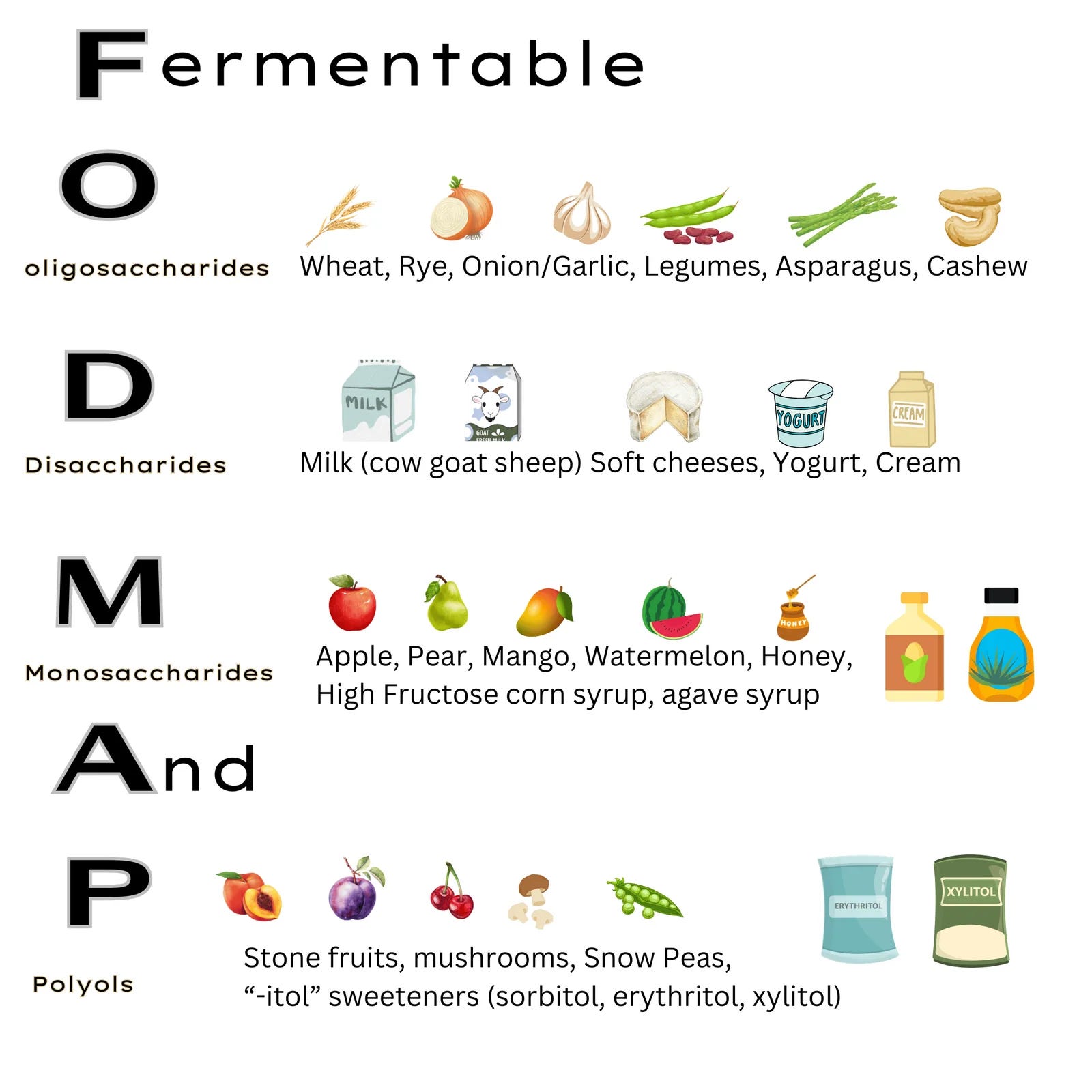
In gastrointestinal care for irritable bowel syndrome (IBS), this pattern is already visible in clinical practice. Dietary approaches such as low-FODMAP eating patterns can shift the microbiome and improve symptoms in some patients, and baseline microbial features may help predict who benefits most. Breath testing and microbiome-informed strategies are increasingly used to tailor dietary advice, offering a real-world example of personalization already in practice.
Metabolic research shows the same principle at work in blood sugar regulation. Landmark studies demonstrate that individuals have highly personalized blood sugar responses to identical foods and fibers, and that adding microbiome data significantly improves the ability to predict those responses. In clinical trials, personalized dietary recommendations built from these models lowered post-meal glucose levels, reinforcing a simple idea: carbohydrate responses aren’t universal, they’re microbiome-dependent.
Weight-loss research tells a similar story. In randomized trials, people with certain baseline microbiome profiles, particularly a higher Prevotella-to-Bacteroides ratio, lost significantly more weight and body fat on higher-fiber diets than those without that profile. In other words, the same “healthy” diet can produce different satiety signals and metabolic outcomes depending on how an individual’s microbes process it.

What about a keto versus plant-based diets?
What about keto versus carbs? This is where the science is still emerging, but there are some intriguing signals. Different dietary patterns, including ketogenic diets and plant-based diets, consistently reshape the gut microbiome, and people vary widely in their metabolic and symptomatic responses to these approaches.
Early evidence suggests that while baseline microbiome composition may not predict weight loss in low-carb vs. low-fat diet, how the microbiome responds to diets dynamically does correlate with with sustained weight loss.
The same principles driving IBS diet tailoring, personalized glycemic response, and fiber responsiveness could apply to macronutrient patterns like keto versus higher-carb diets. Diet wars may be arguments over population averages in a world of biological individuality.
As nutrition enters the era of GLP-1 therapies, ultra-processed food debates, and personalized health tracking, this variability is becoming impossible to ignore.
You’re not crazy, and neither is your friend
One of the most striking clinical patterns I see is how differently people respond to the same dietary changes. One patient feels dramatically better when they reduce carbohydrates, while another becomes sluggish and constipated. One thrives on plant-rich, fiber-heavy meals, while another develops bloating and discomfort.
These reactions often leave people wondering if something is wrong with them, but what if both responses are valid? Each person’s microbiome is shaped over time by early life exposures, antibiotics, environment, diet history, geography, and stress. As a result, two people may share only a fraction of microbial species, meaning they’re not starting from the same metabolic baseline when they try a new diet. What feels energizing, satiating, or gut-friendly for one person may not land the same way for another.
Diet debates often frame disagreement as ignorance, noncompliance, or bias. Viewed through a microbiome lens, though, those differences look less like confusion and more like biological diversity.
From diet debates to precision nutrition
Instead of asking whether keto is better than carbohydrates, the more useful question may be who benefits from carbohydrate restriction, and why. Likewise, rather than assuming all fibers are universally beneficial, we should be asking who truly thrives on which fibers and what biological factors explain this response.
The real challenge is learning how to identify these differences earlier, before people cycle through diets that leave them frustrated or discouraged. Precision-nutrition research is already moving in this direction, focusing on inter-individual variability rather than average effects. A growing number of new companies are now building services around these insights. The future of nutrition may look less like universal rules and more like microbiome-informed personalization.
How to personalize now, before the science catches up
You don’t need a microbiome sequencing report to begin applying this idea.
Keep a food journal. Track what you eat alongside energy, mood, digestion, sleep, and hunger.
Use a structured tool. A food-quality scoring app or tracker can reveal patterns between what you eat and how you feel over time.
Listen to your gut. Persistent bloating, fatigue, or crashes after certain foods are signals, not weaknesses.
Experiment systematically. Try small, structured changes. Reduce refined carbs for two weeks, increase fiber gradually, or shift fat sources, and observe how you respond.
Focus on food quality first. Minimally processed foods consistently support healthier microbial ecosystems.
The end of diet tribes?
Nutrition may be entering a phase similar to medicine’s shift toward personalization. We no longer expect the same drug to work identically for every patient. Diet may follow the same path.
The goal isn’t to pick a winning diet. It’s to understand the biological individuality behind why different diets work for different people, and to use that insight to help everyone eat in a way that supports their own metabolism, microbiome, and well-being.
You’re not crazy if keto works for you. You’re not wrong if carbs work better. You’re human. And your microbiome is part of what makes your nutritional needs uniquely yours. That’s the future Gut Bites will be exploring.
What have you noticed works best for your body—lower carb, higher fiber, higher fat, or something else?
I tended towards more plants, not a big meat eater, huge yoghurt consumer, I liked salads over Brussels sprouts, cauliflower.
I eat nowadays for nutrition and taste. My husband eats very different eg, pork ribs, creamy and mayonnaise potato salad, coleslaw. Potatoes, cheesecake, lollies, chips.